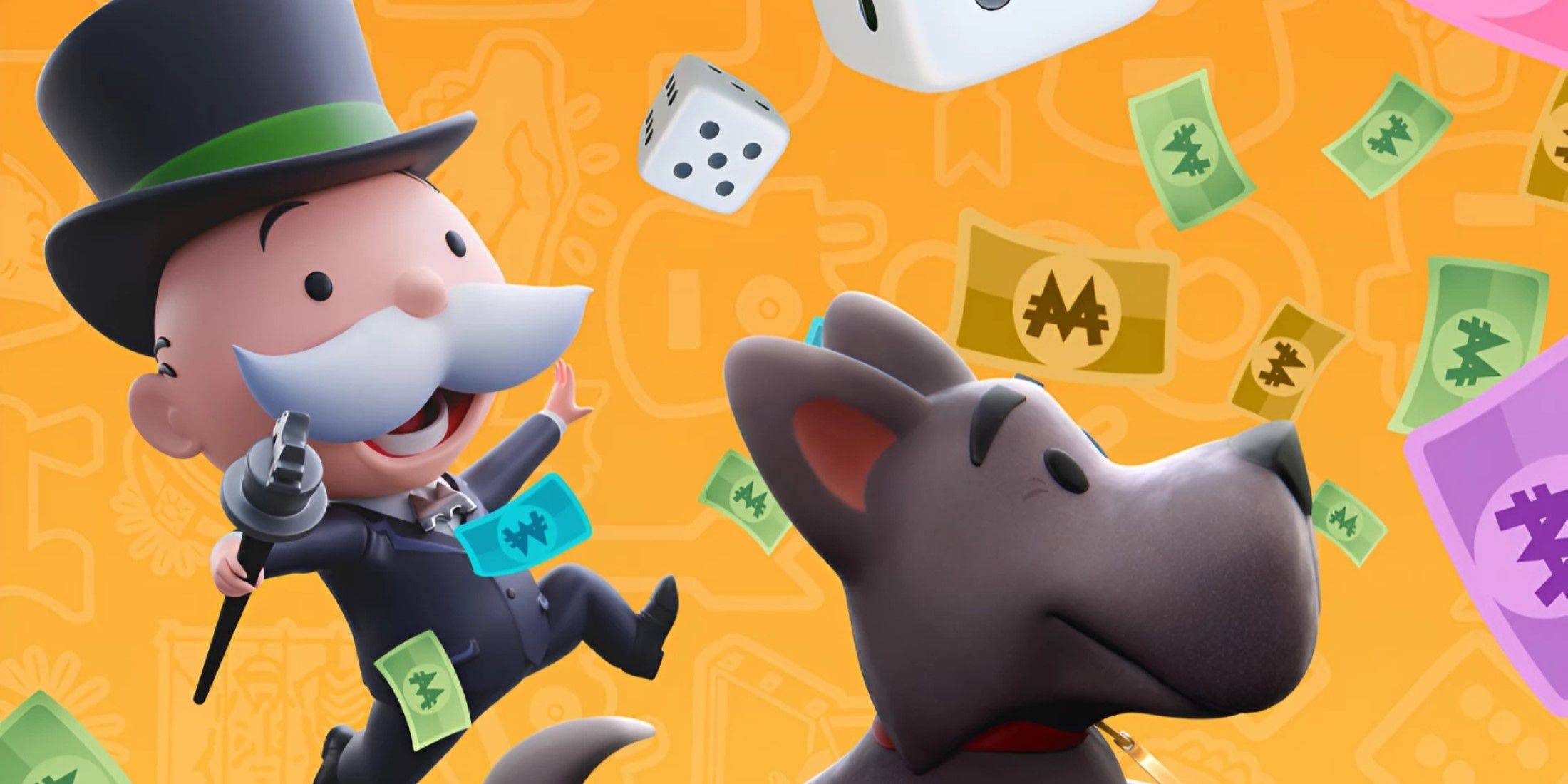
Monopoly GO's Microtransactions: A $25,000 Lesson
A recent incident highlights the potential financial pitfalls of in-app purchases in mobile games. A 17-year-old reportedly spent a staggering $25,000 on the free-to-play game Monopoly GO, underscoring the addictive nature of microtransactions.
This isn't an isolated case. Other players have confessed to spending significant sums, with one user reporting $1,000 in Monopoly GO expenses before deleting the app. The $25,000 expenditure, detailed in a since-removed Reddit post, involved 368 separate in-app purchases made via the App Store. The parent's subsequent search for recourse revealed a common issue: many freemium games' terms of service hold users responsible for all purchases, regardless of intent.
The Controversy of In-Game Microtransactions
The Monopoly GO situation adds to the ongoing debate surrounding in-game microtransactions. These practices have faced criticism before, with lawsuits against major gaming companies like Take-Two Interactive (over NBA 2K microtransactions) showcasing the industry's reliance on this revenue model. While this particular Monopoly GO case might not reach the courts, it serves as a cautionary tale.
The profitability of microtransactions is undeniable; Diablo 4, for example, generated over $150 million in microtransaction revenue. The strategy's effectiveness lies in its ability to encourage smaller, frequent purchases rather than larger, one-time investments. However, this very feature can be deceptive, leading players to unknowingly spend far more than intended.
The Reddit user's experience underscores the difficulty in obtaining refunds for unintentional in-app purchases. The incident serves as a stark reminder of the potential for significant, uncontrolled spending within games like Monopoly GO, highlighting the need for greater parental controls and user awareness.