
Sony Interactive Entertainment (SIE) CEO Hermen Hulst and Astro Bot game director Nicolas Doucet recently discussed the game's significance on the PlayStation Podcast, revealing PlayStation's strategic shift towards a more family-friendly gaming market.
Astro Bot: A Cornerstone of PlayStation's Family-Friendly Expansion
PlayStation aims to broaden its appeal by creating games that resonate with a wider audience, emphasizing fun and inclusivity.

For Doucet, Astro Bot's ambition has always been to become a flagship PlayStation title appealing to all ages. The team envisioned Astro as a character alongside PlayStation's established franchises, targeting the "all ages" demographic. The priority is to create a game enjoyable for everyone, from seasoned gamers to children experiencing their first video game. The goal, Doucet stresses, is to bring smiles and laughter to players.

Doucet describes Astro Bot as a "back-to-basics" title prioritizing engaging gameplay over complex narratives. The focus is on creating a consistently enjoyable experience. Relaxation and fun are paramount, aiming to evoke laughter and smiles.
Hulst emphasizes the importance of diverse genre development within PlayStation Studios, highlighting the significant role of the family market. He praises Team Asobi for creating an accessible and high-quality platformer, comparing it favorably to the best in the genre and noting its appeal to players of all ages.
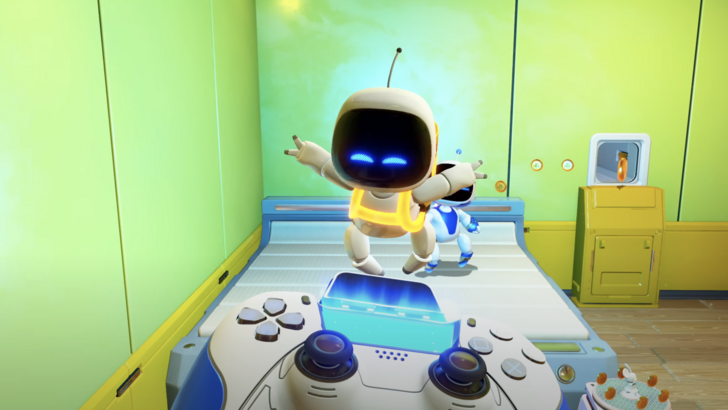
Hulst declares Astro Bot "very, very important" to PlayStation, citing its success on PlayStation 5 and its role as a platform for future titles. He views it as a symbol of PlayStation's innovation and legacy in single-player gaming.
Sony's Need for More Original IP and the Concord Cancellation
The discussion also touches upon PlayStation's broader strategy. Hulst notes the increased diversity of PlayStation's game portfolio and its expanded community. Astro Bot, he suggests, embodies PlayStation's commitment to joy and collaboration.
However, Sony acknowledges a need for more original intellectual property (IP). Recent statements from Sony executives highlight a lack of homegrown IPs, a point underscored by the recent cancellation of the first-person shooter, Concord, which launched to poor reception. This cancellation underscores Sony's ongoing efforts to refine its IP development strategy.

Financial analysts see Sony's focus on IP development as a natural step in its evolution into a fully integrated media company. The risk, they argue, lies in inaction.

The Concord cancellation, occurring shortly after statements regarding the need for more original IP, serves as a stark reminder of the challenges in game development and the importance of a strong IP portfolio.