Year-End Game Awards: Why Balatro Deserves the Spotlight
It’s the end of the year, and Balatro is my unexpected Game of the Year pick. While not necessarily my favorite game, its success speaks volumes. Balatro, a blend of solitaire, poker, and roguelike deck-building, has garnered significant critical acclaim, winning awards like Indie and Mobile Game of the Year at The Game Awards and multiple honors at the Pocket Gamer Awards.
However, its success has also been met with some confusion and even anger. Comparisons between its relatively simple visuals and the flashy gameplay videos of other contenders have led to questions about its award wins. Many seem baffled that such a seemingly simple deck-builder has achieved such widespread recognition.
This, I believe, is precisely why it's my GOTY. But first, let's acknowledge some other noteworthy titles:
Honorable Mentions:
- Vampire Survivors' Castlevania Expansion: The long-awaited collaboration with Castlevania characters finally arrived, and it's fantastic.
- Squid Game: Unleashed's Free-to-Play Model: Netflix's decision to make the game free could set a new precedent for mobile gaming and is a fascinating strategic move.
- Watch Dogs: Truth Audio Adventure: A less significant release, but an interesting choice by Ubisoft, given their past struggles with the Watch Dogs franchise. An Audible-only adventure is an unconventional approach.
Balatro: A Surprisingly Engaging Experience
My personal experience with Balatro has been a mixed bag. It's undeniably captivating, but I haven't quite mastered its intricacies. The focus on deck optimization and detailed statistics can be frustrating, and despite many hours of playtime, I haven't yet completed a run.
However, it's been worth every penny. For a modest price, it offers simple, engaging gameplay that doesn't demand excessive brainpower or technical prowess. While not my ultimate time-waster (that honor goes to Vampire Survivors), it's a strong contender. Its appealing visuals and smooth gameplay further enhance the experience.
The game's design is cleverly crafted to keep players engaged, from its calming soundtrack to the satisfying sound effects that accompany successful plays. It's refreshingly honest about its addictive nature, subtly encouraging players to keep playing.

Beyond the "Just a Game" Criticism
Balatro's success has been met with some resistance. Some critics dismiss it as "just a game," failing to appreciate its well-executed design and unique approach to deck-building. It's not a flashy gacha game, nor does it push technological boundaries; it simply provides a refined and enjoyable experience.
This, I argue, is the true measure of a game's quality – not its visual fidelity or other superficial elements. Balatro's success underscores this point.
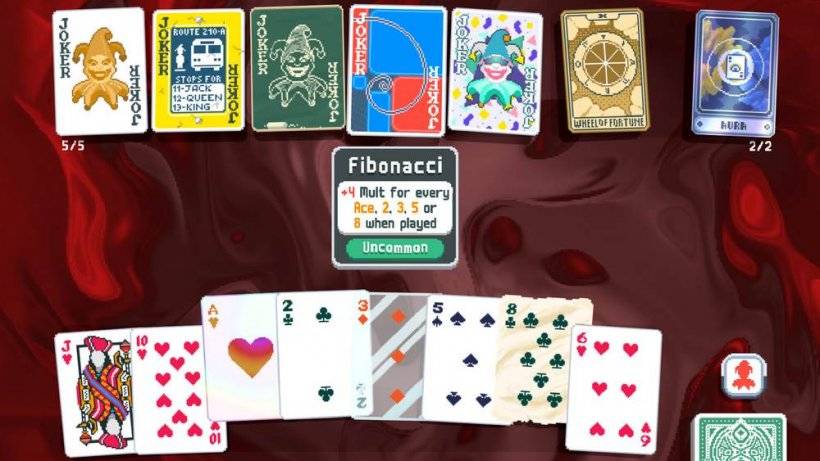
A Lesson in Simplicity and Success
Balatro's multi-platform release (PC, console, and mobile) is a testament to the fact that success doesn't require massive budgets or complex features. It demonstrates that a simple, well-executed game with a distinct style can resonate with a wide audience across different platforms.
While not a financial juggernaut, its relatively low development costs likely resulted in significant profits for LocalThunk. It proves that a game doesn't need to be a cross-platform, cross-progression, massively multiplayer gacha to be successful.
Balatro's appeal lies in its accessibility. Players can approach it strategically, optimizing their decks for optimal performance, or more casually, enjoying it as a relaxing pastime.
In conclusion, Balatro's success highlights a crucial lesson: Simplicity, well-executed design, and a unique style can lead to significant success in the gaming world. You don't need to be flashy or groundbreaking to be a winner.