Your description of Sciontidesign’s Unreal Engine 5.5.3 cyberpunk tech demo paints a vivid picture of what’s possible when artistic vision meets cutting-edge engine capabilities—even without relying on the latest AI-driven or hardware-intensive features. Here's a refined and expanded analysis of the piece, suitable for publication in a gaming or tech media outlet:
Unreal Engine 5.5.3 Unleashed: Sciontidesign’s Gritty, Immersive Cyberpunk Demo Defies Expectations
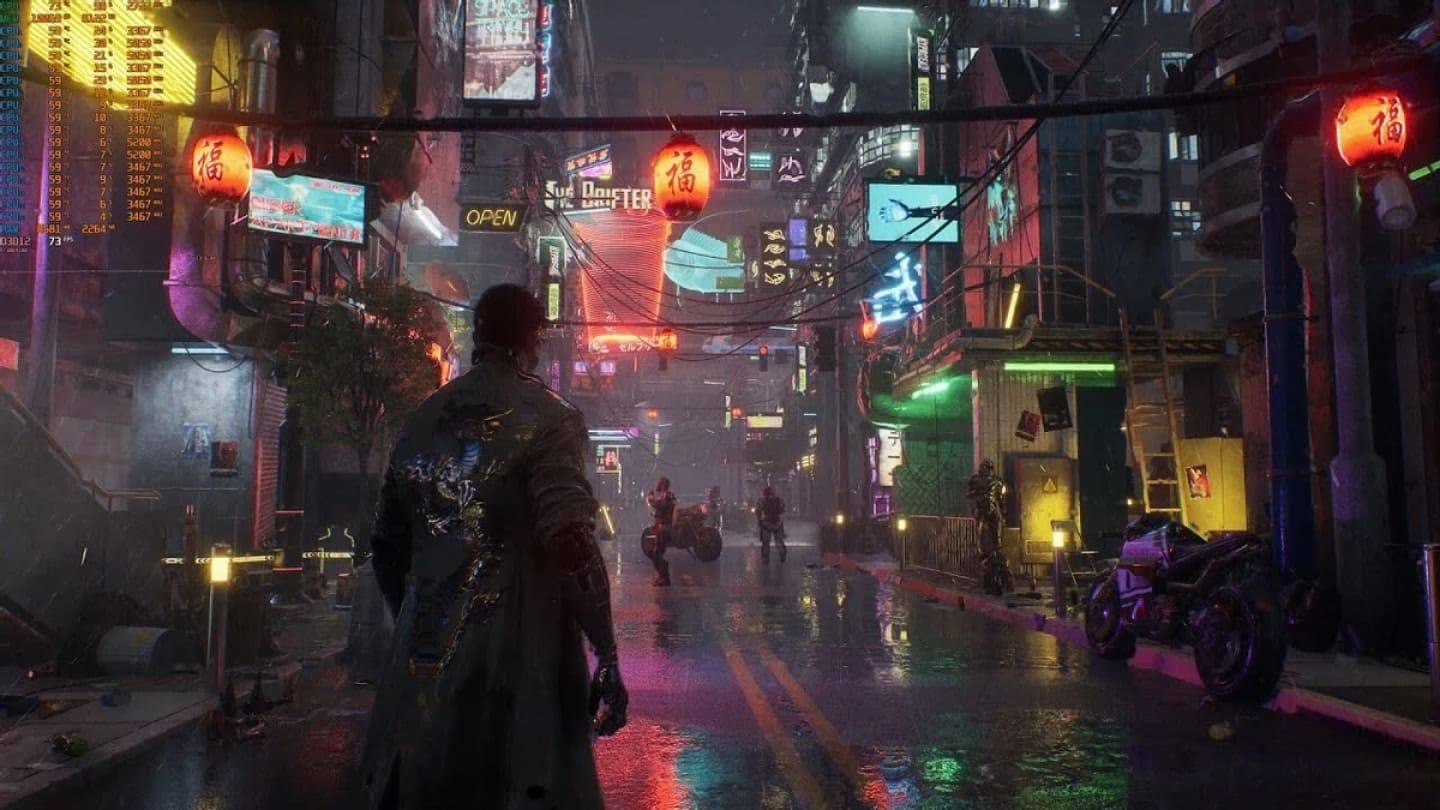
In a bold and refreshing departure from the spectacle-heavy rendering showcases often associated with Unreal Engine 5, artist Sciontidesign has unveiled a stunning, fully immersive tech demo of a futuristic cyberpunk metropolis—crafted entirely with dynamic lighting, Nanite, Distance Field Meshes, Ambient Occlusion, and Screen Space Reflections. The result? A hauntingly atmospheric, visually rich vision of a city that breathes with life, all without the crutches of Lumen, path tracing, RTX, DLSS, or pre-baked lighting.
Inspired by legendary works like the Samaritan UE3 demo, the cinematic chaos of Blade Runner, and the sleek, oppressive beauty of Cyberpunk 2077, this demo pushes Unreal Engine 5.5.3 to its creative limits—proving that artistic mastery and smart technical design can outshine raw hardware horsepower.
Rendered on a top-tier rig—NVIDIA RTX 5090, AMD Ryzen 9 7950X3D, and 32GB of 6000MHz DDR5 RAM—the demo doesn’t just run smoothly; it feels alive. The cityscape unfolds in real-time, with buildings towering in intricate detail thanks to Nanite’s level-of-detail magic, while Distance Field Meshes ensure scalable geometry and efficient rendering across vast urban expanses. Dynamic lighting dances across rain-slicked streets, casting ever-shifting reflections that feel organic, not artificial.
The wet surface rendering is particularly impressive—every puddle, every reflective storefront, every glistening alleyway feels tactile and immersive. While the rain effect does lean slightly toward the synthetic (a common challenge in real-time rendering), its visual contribution to mood and atmosphere is undeniable. The interplay between light, water, and shadow creates a noir aesthetic that’s both nostalgic and forward-looking.
Yet, it’s not without flaws. Frequent invisible walls disrupt the experience, breaking immersion in an otherwise flawless journey through a digital dreamscape. These aren’t technical limitations of the engine, but likely design or implementation hiccups—reminders that even the most beautiful demos can fall short in player-centric navigation.
What truly sets this demo apart is its intentional restraint. By deliberately avoiding Lumen, RTX, and DLSS, Sciontidesign demonstrates that Unreal Engine 5 is not just a platform for flashy ray-traced visuals, but a tool for storytelling, mood, and environmental design. The focus on dynamic lighting and procedural materials results in a city that feels alive, not just rendered.
That said, the demo also highlights a growing tension in the industry: while UE5 continues to produce jaw-dropping cinematic experiences, many actual games built on the engine still struggle with performance, optimization, and consistency—especially on mid-to-low-end hardware.
Still, Sciontidesign’s work stands as a testament to what’s possible when artists use Unreal Engine not as a toy, but as a canvas. It’s a masterclass in atmosphere over spectacle, craft over crutch, and a powerful reminder that the soul of a game isn’t in its rendering pipeline—but in its world, its mood, and its quiet moments of beauty in the rain.
Final Thought:
This isn’t just a tech demo.
It’s a statement.
“You don’t need the future to be rendered in ray-traced neon to feel like you’re already there.”
Let me know if you'd like a shorter version for social media, a developer blog adaptation, or an analysis focused on performance optimization.