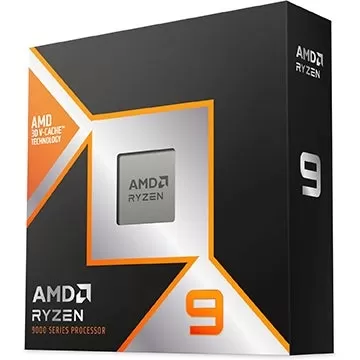
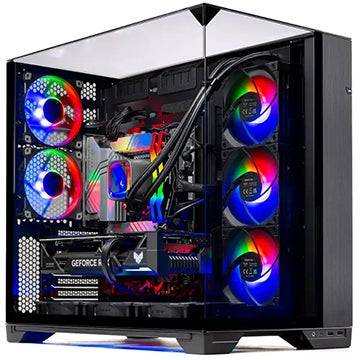
The AMD Ryzen 9 9950X3D, arriving just months after its Ryzen 7 9800X3D sibling, brings 3D V-Cache technology to a 16-core, 32-thread powerhouse. While undeniably overkill for most gamers, it effortlessly keeps pace with high-end graphics cards like the Nvidia RTX 5090 and beyond. However, its $699 price tag and 170W power consumption make it a tough sell unless you're already building a top-tier (and expensive) gaming rig. For most, the Ryzen 7 9800X3D remains the more practical choice.
Purchasing Guide
The AMD Ryzen 9 9950X3D launches March 12th, with a starting price of $699. This is a suggested retail price; actual pricing may vary based on market demand.
AMD Ryzen 9 9950X3D – Photos
Specs and Features
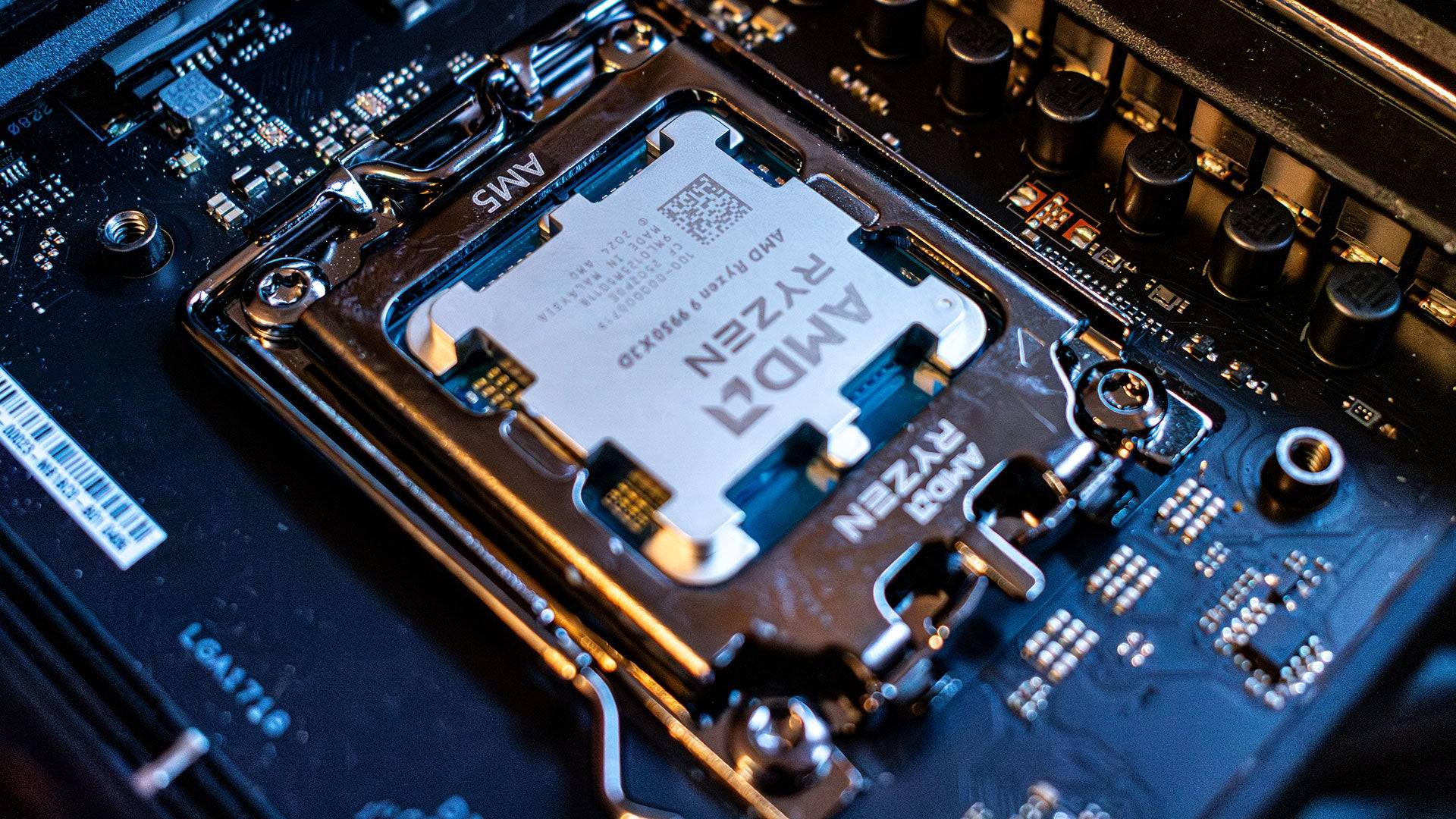
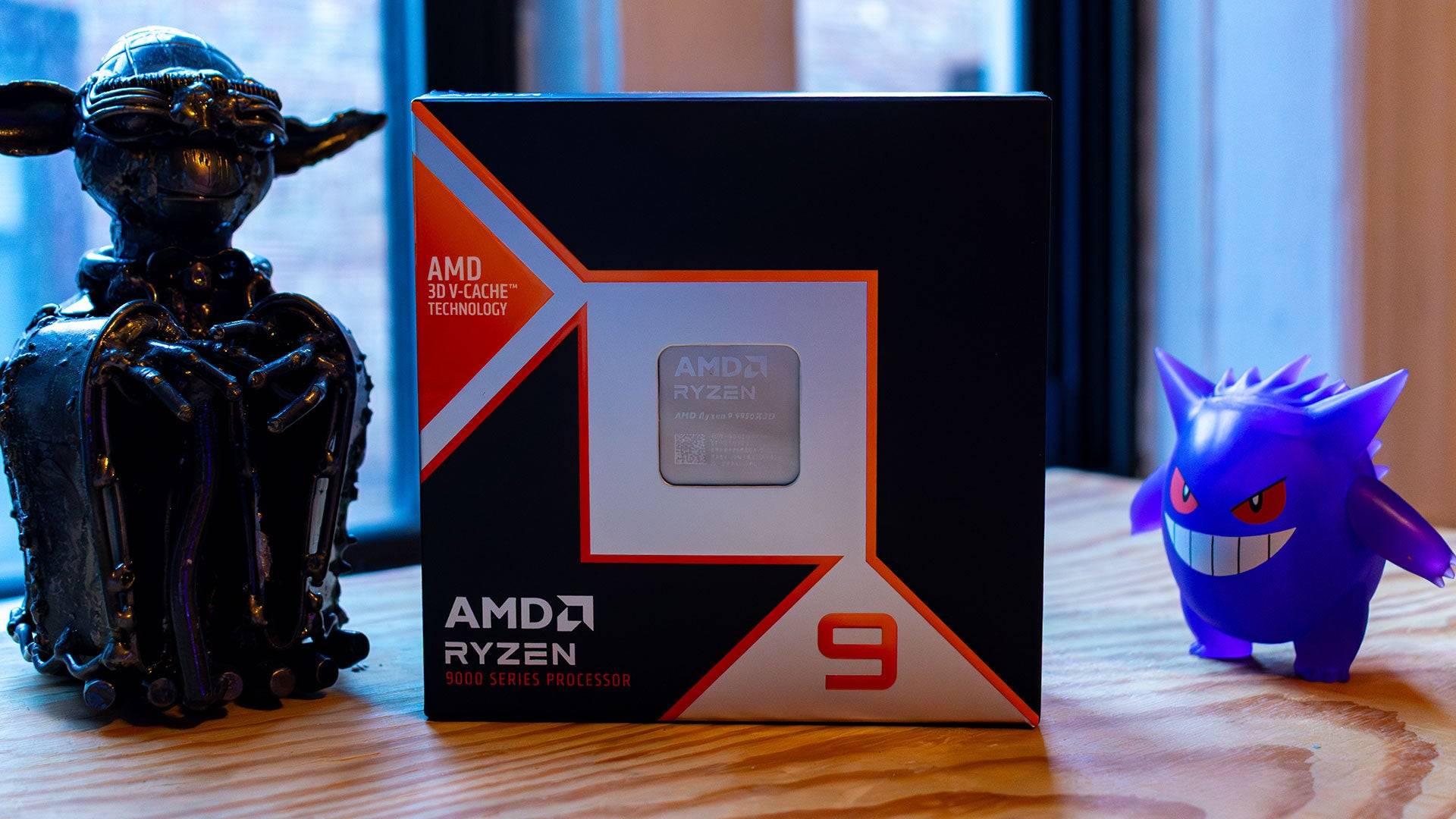
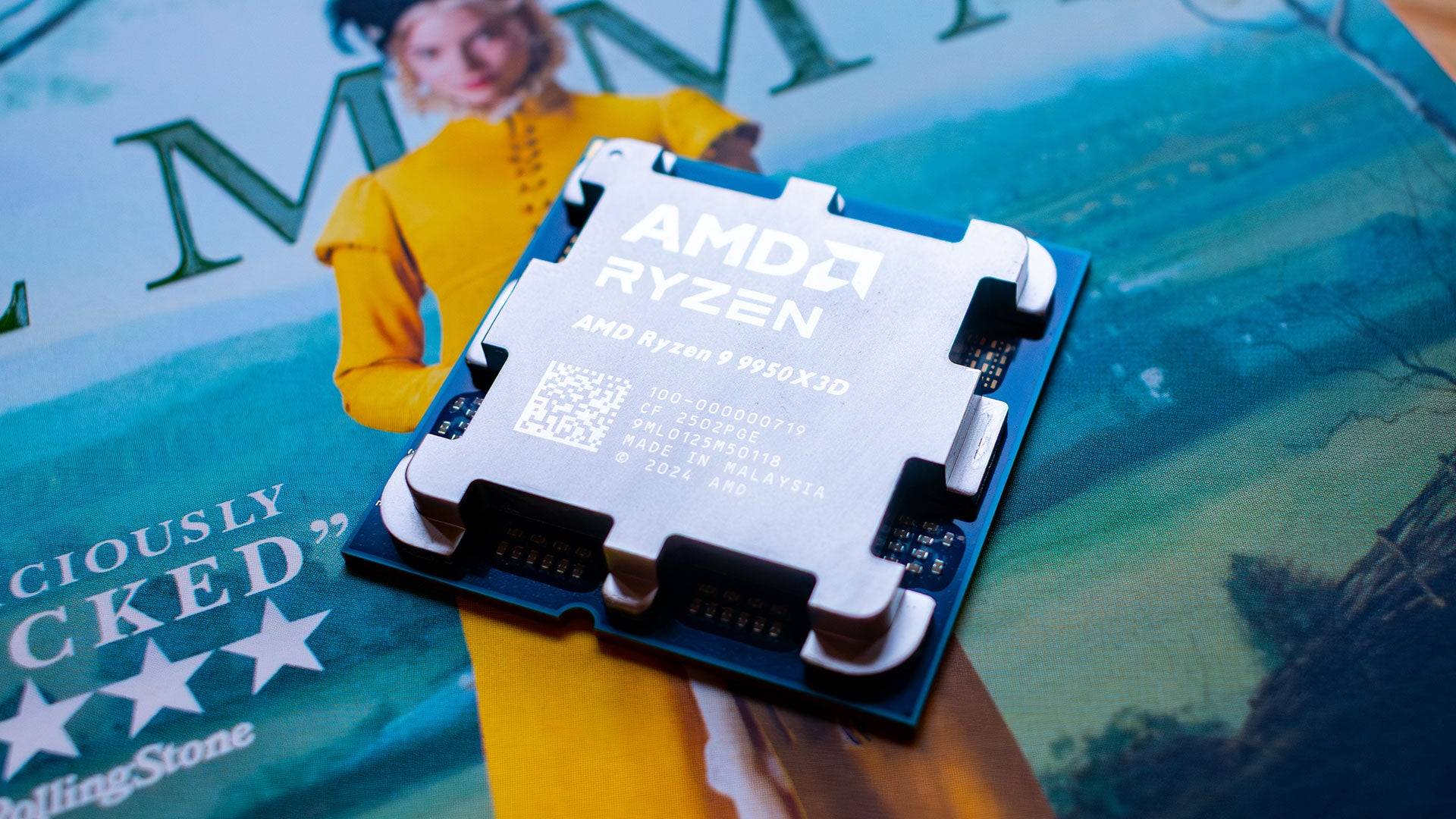
The AMD Ryzen 9 9950X3D leverages the same Zen 5 cores as the standard 9950X, enhanced by 2nd-generation 3D V-Cache, mirroring the Ryzen 7 9800X3D. This combination delivers exceptional multi-core performance alongside boosted gaming capabilities thanks to the expanded cache. Unlike its predecessor, the Ryzen 9 7950X3D, the 3D V-Cache is positioned directly beneath the CPU cores, significantly improving thermal performance. This proximity to the Integrated Heat Spreader (IHS) facilitates more efficient heat dissipation. AMD's performance algorithms leverage this thermal headroom, enabling faster and more sustained clock speeds. This optimized placement also reduces data travel distance, minimizing latency. The 9950X3D boasts a substantial 144MB of combined L2 and L3 cache—identical to the previous generation Ryzen 9 7950X3D, but far exceeding non-X3D processors.
Both the Ryzen 9 9950X and 9950X3D share a 170W TDP, although the 9950X has a higher potential PPT. Testing revealed both processors reaching 200W peak power consumption. However, the 9950X3D exhibited lower peak temperatures (79°C during testing), though this was on a different cooler than the 9950X. Compatibility is ensured with any AM5 AMD motherboard, leveraging the platform's support extending to at least 2027.
AMD Ryzen 9 9950X3D – Benchmarks
Performance
Testing involved identical hardware, except for the Ryzen 9 9950X (Asus ROG Crosshair X670E Hero motherboard with Corsair H170i 360mm AIO cooler). While this hardware difference impacts results, the effect is minimal, especially considering all tests were conducted at stock settings. A subsequent retest is planned to address the cooler discrepancy on the 9950X.
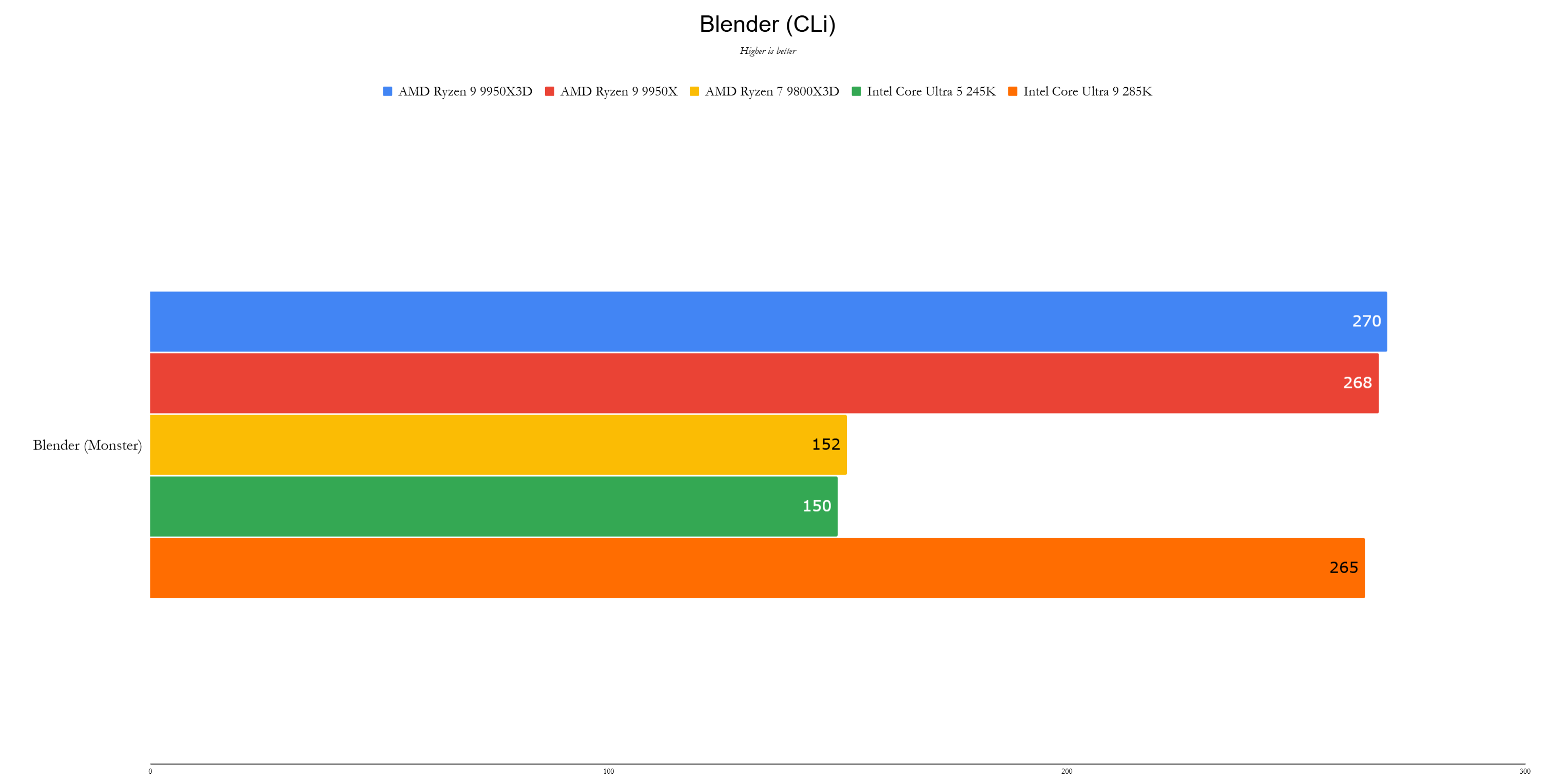
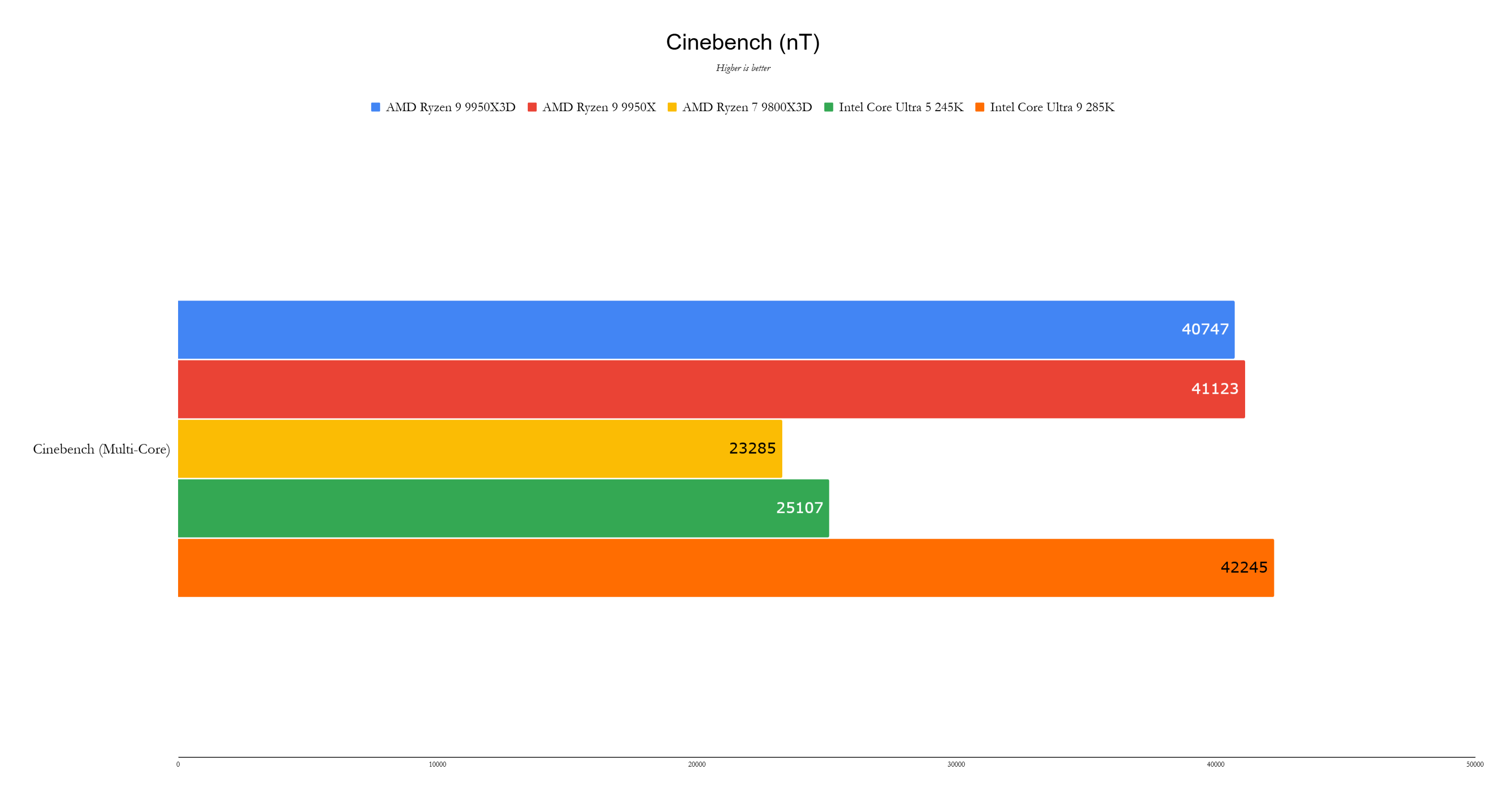
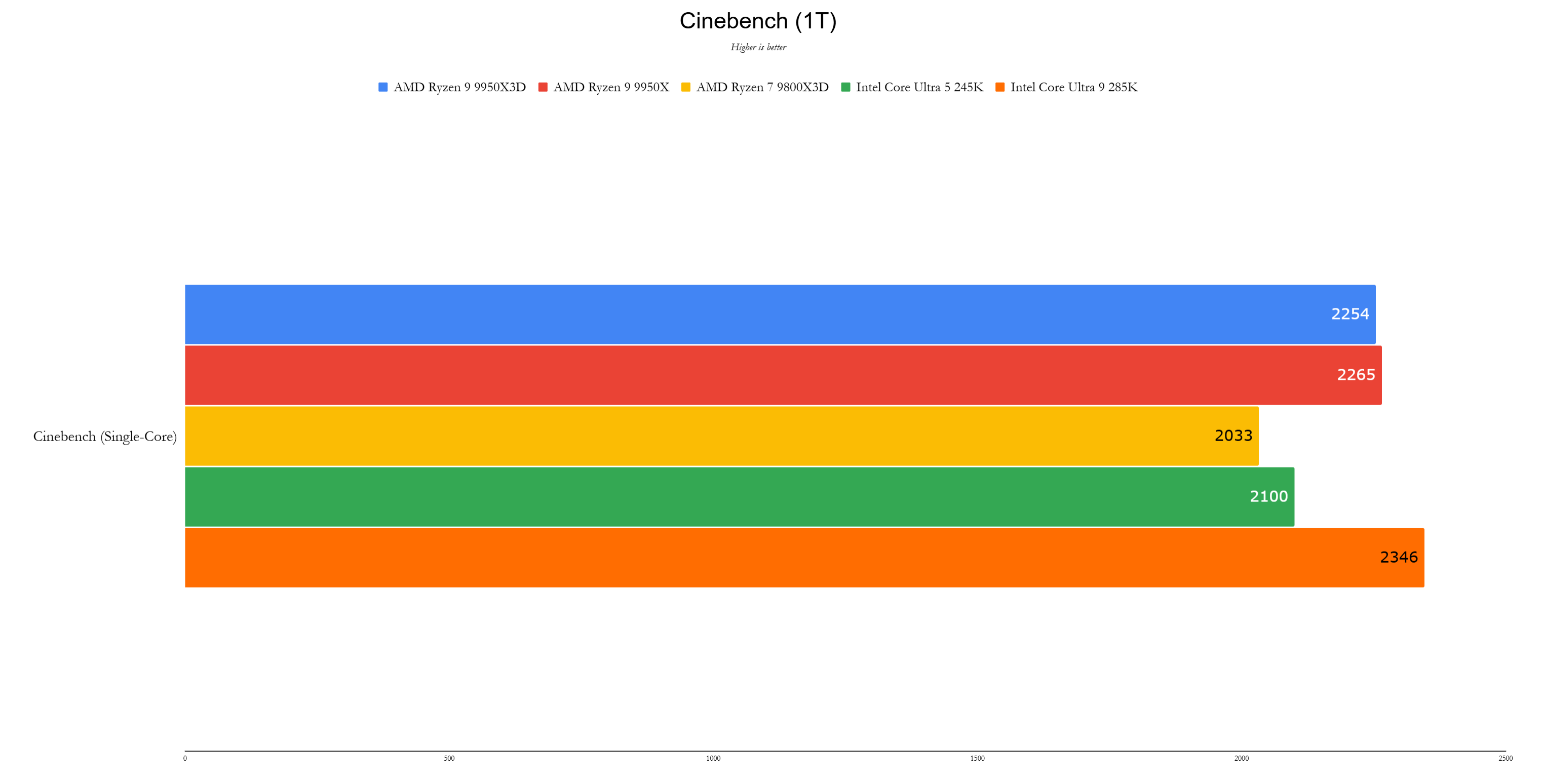
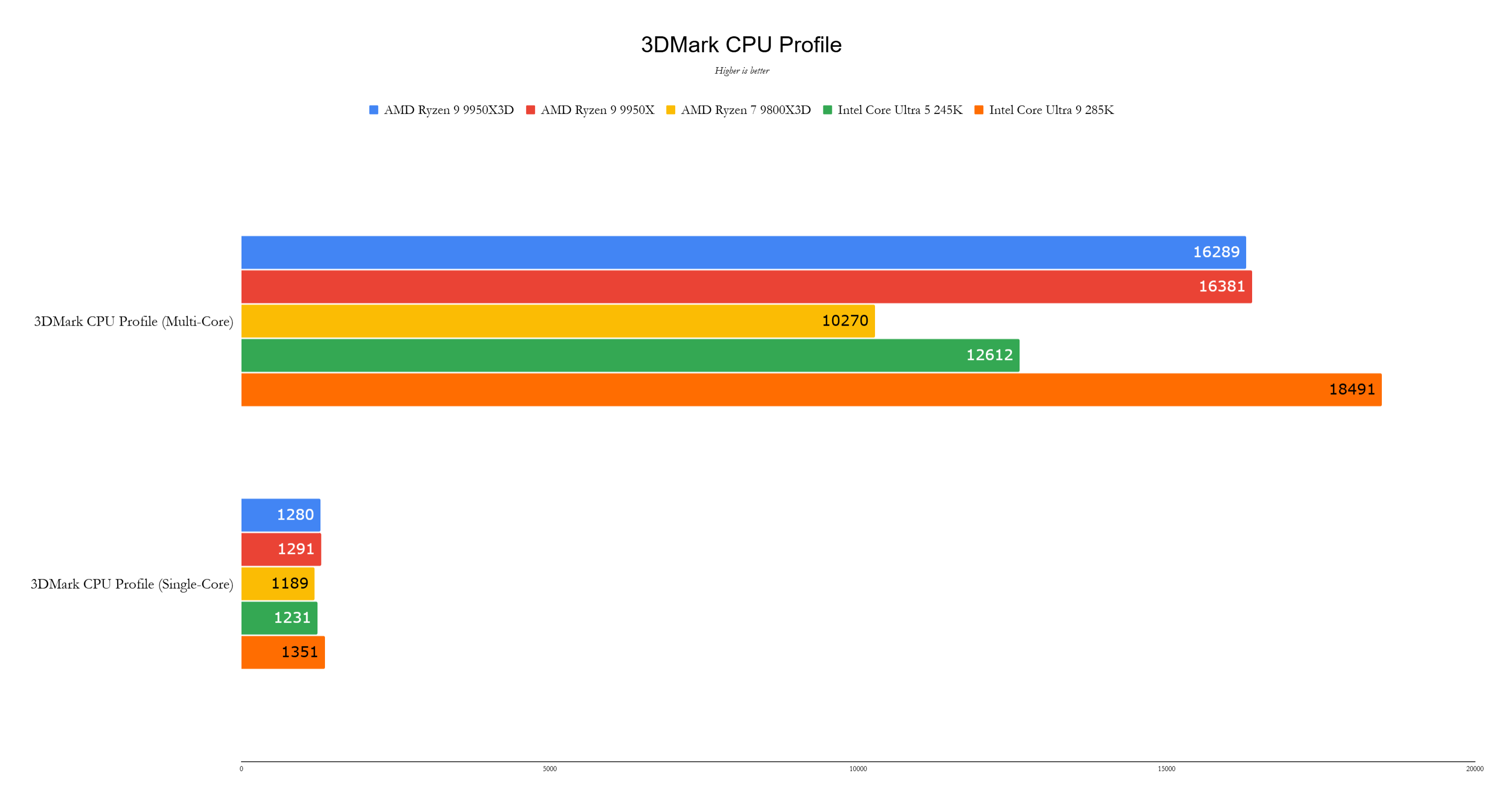
The Ryzen 9 9950X3D's 16 cores, 32 threads, and massive 144MB cache deliver exceptional performance. It excels even in creative workloads where the 9800X3D lags. Surprisingly, it also holds its own against the 9800X3D in single-core tasks, achieving a 10% improvement in Cinebench 1T (2,254 vs 2,033 points) and a strong showing in 3DMark CPU Profile (1,280 points, nearing the Intel Core Ultra 9 285K's 1,351 points). Multi-threaded performance is where it shines, scoring 40,747 points in Cinebench's multi-core test. While slightly behind the 9950X (41,123 points) and Intel Core Ultra 9 285K (42,245 points) in some multi-threaded applications, the gaming performance gains justify the trade-off.
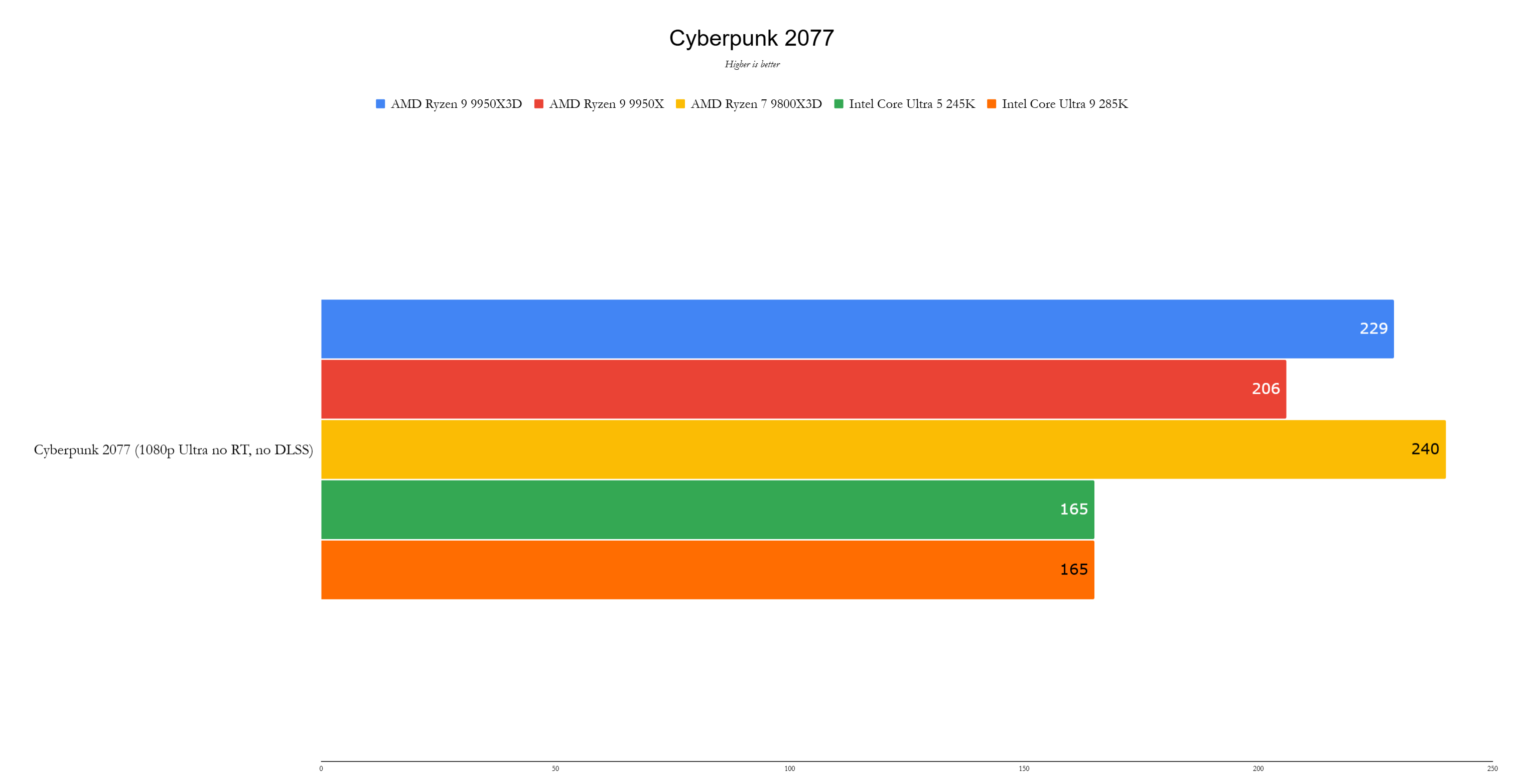
Gaming benchmarks show impressive results. In *Total War: Warhammer 3* (1080p Ultra), it achieves 274 fps with an RTX 4090, outperforming the 9800X3D (254 fps) and Core Ultra 9 285K (255 fps). However, *Cyberpunk 2077* (1080p Ultra, ray tracing off) yielded 229 fps, lower than the 9800X3D's 240 fps. Despite this, it significantly surpasses the Intel processor's 165 fps.
Overkill?
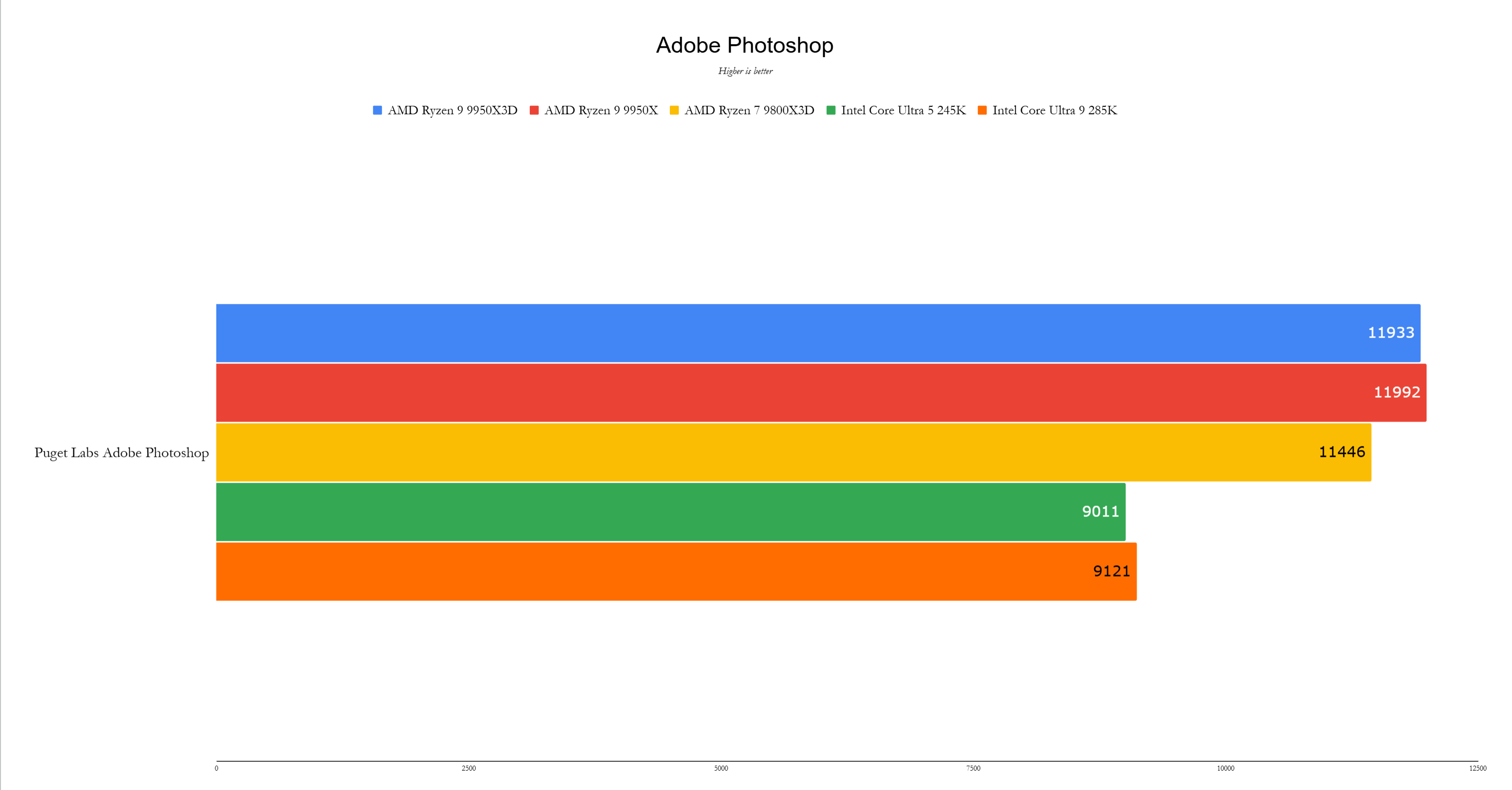
While the AMD Ryzen 9 9950X3D might be the current gaming CPU king, it doesn't automatically outperform every other option. The significantly more affordable Ryzen 7 9800X3D ($479) suffices for most users. The 9950X3D targets users who combine gaming with demanding creative applications like Photoshop and Premiere, offering a 15% performance boost over the 9800X3D in these tasks. For pure gaming, investing the extra $220 in a better graphics card might be a wiser choice.